

The design of children's amusement space should not only take into account safety and fun, but also integrate the concept of education, combine teaching with fun, and promote the development of children's body and mind.
As the main element of happy children's amusement space, amusement equipments should first be attractive , suit for children of all ages and provide different activities. Secondly, these facilities also need to help children improve their social communication skills and quickly integrate into the unfamiliar environment.
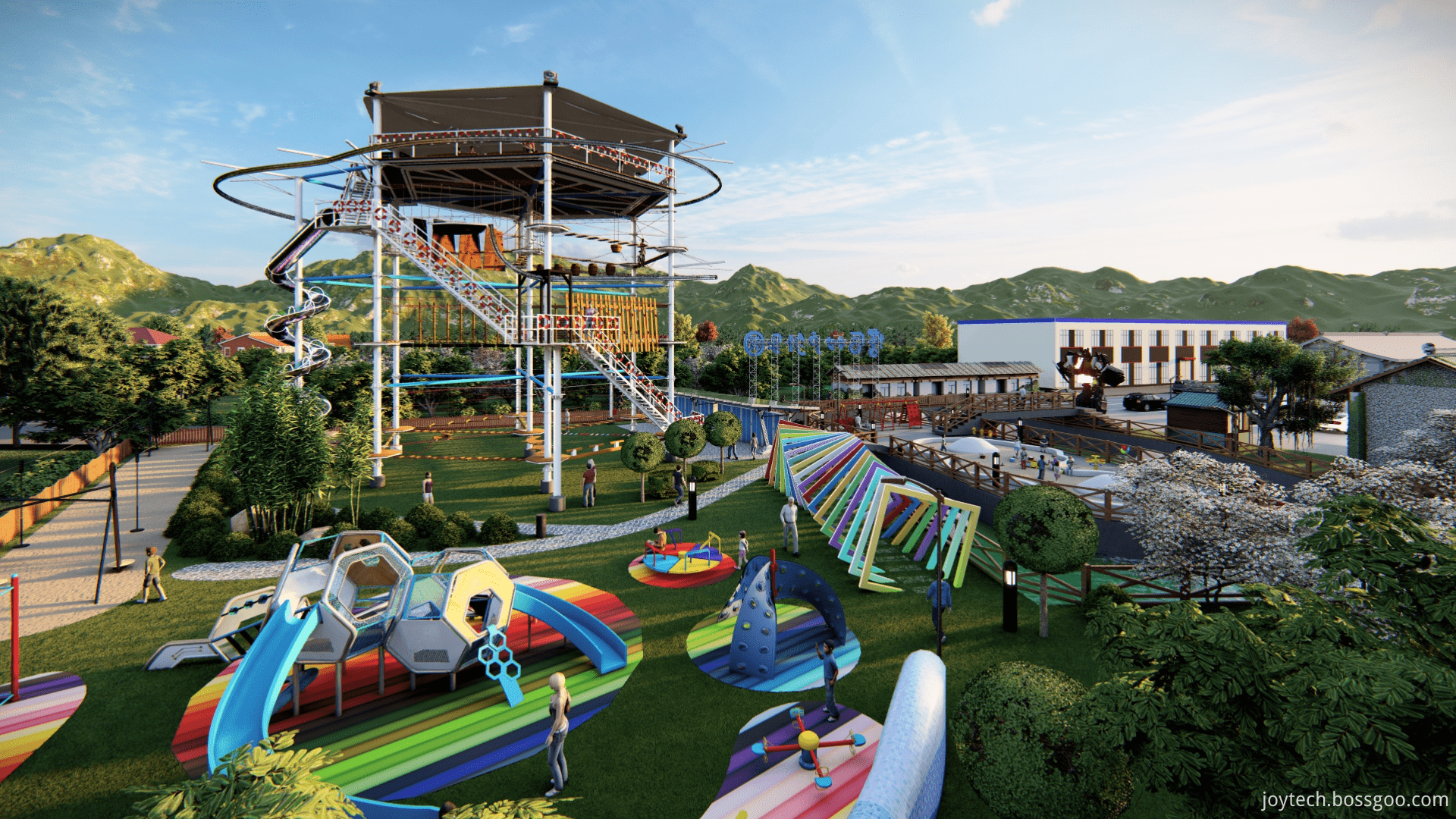
Next, let's take a look at the key design points of outdoor amusement playground:
1. Space environment
1) Key design points - site structure
The site structure is the primary factor in
the design of the park. Children prefer irregular shape objects, so designers
can make full use of natural irregular shapes to arouse children's natural
interest.
For example, children like imaginative
adventure activities, such as getting lost and finding their location; rolling
down the slope to release physical vitality; playing hide and seek in the
undulating mountains or mountains.
2) Key design points - rest area
No matter how small a space is, a rest area
should be set up, where children can sit quietly, relax or gather strength. It
is also a space for children's to think and adjust.
In larger recreation spaces, it is a good
idea to partition the rest area. The rest area doesn't need to be complicated.
It may just be a row of benches or places that can block the wind and rain.
2. Element layout
1) Key design points - vegetation
Vegetation plays an important role in the
design of outdoor recreation space, which improves the environment, aesthetics,
interest and so on.
Plants can improve air quality. They are a
powerful umbrella for rain and sunshine. Dense plants can keep out wind and
reduce noise. At the same time, they are also a natural habitat for birds and
other small animals.
2) Key design points - sand
Children enjoy playing with sand and mud at
any time and anywhere, even adults. The playability of sand allows children to
dig, build, carve, fill and empty, or knead it with water.
3) Key design points - playing with water
Water is a natural irritant for children.
The different feelings of dry and wet objects, the state transformation of
objects sinking and floating in the water, and the change of water temperature
are enough to arouse great interest for children.
Although water is rarely used in amusement
spaces, it is sometimes a good idea to introduce water manually when weather
and resources permit.
4) Key points of design - compound
amusement facilities
There is a trend in the design of amusement
space: combine the traditional single function facilities with more complex
modules and more facilities to form an overall amusement space.
In order to meet the different needs of
children, a good amusement facility should be designed to be easy to adjust,
while the complex facilities should be different in difficulty as much as
possible.
5) Design points - shape
Imagination itself is the most important
and precious pleasure of children. Ambiguous abstract things, such as a pile of
stones or sand, and some chic gadgets, are far more attractive to children than
those specific things.
3. Body perception
Children have the energy to actively
participate in hearing, vision, touch and smell. At the same time, children can
also understand how their own behavior causes external reactions in the
experience, and they will try to understand these reactions.
1) Key design points - sound
Children are keen to make sound by beating
or rubbing objects. Sound is a common phenomenon in nature. When a breeze blows,
the leaves of plants and trees will make sound.
These are enough to make children happy.
Children especially like the equipment that can interact with experiments. For
children, it not only has entertainment function, but also has guiding
significance.
2) Key design points - vision
Just like hearing, we can also design
devices with visual images, such as magnifying glass, reflector, prism,
kaleidoscope, overlapping film or color transparent film, which are enduring
amusement elements.
3) Key design points - touch and texture
experience
The ups and downs of laying materials
encourage children to explore and compare soft and hard, dense and smooth, dry
and wet, smooth and rough stuff.
4) Design points - smell
The sense of smell is different from other
senses, which can make people impressive and have more experience in it. The
smell and space design brought by planting fragrant plants and trees on both
sides of the path in the amusement area can avoid getting lost and soothe the
body and mind.
Good design reflects respect and intention.
Every child is different, so their needs are diverse. All children should find
their own happiness in the amusement space.
In order to achieve this goal, Hangzhou
Hogwood focuses on the design of children's paradise space, pursues
high-quality amusement facilities and equipment, and encourages children to
explore and discover the mysteries of the world bravely.
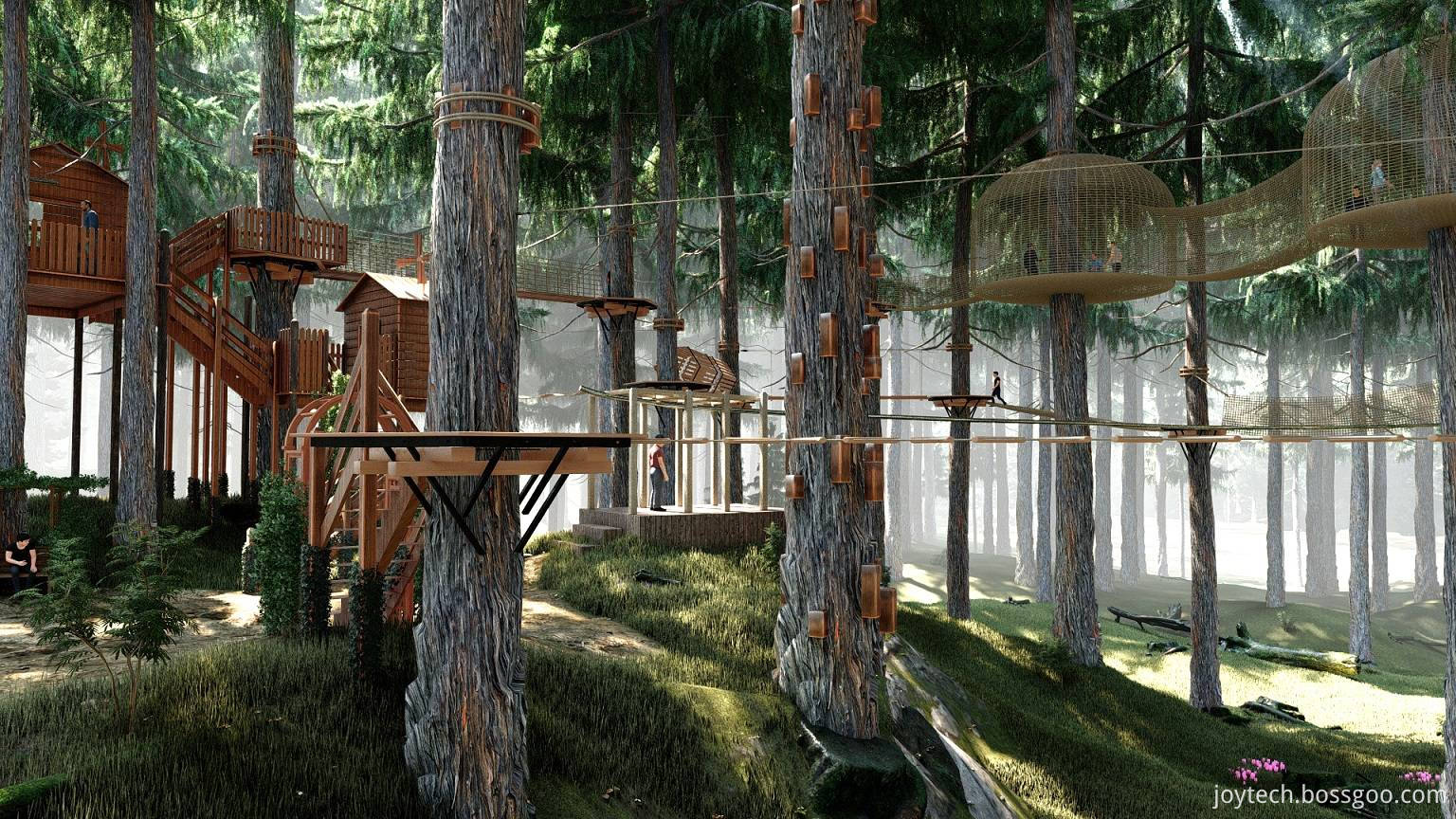
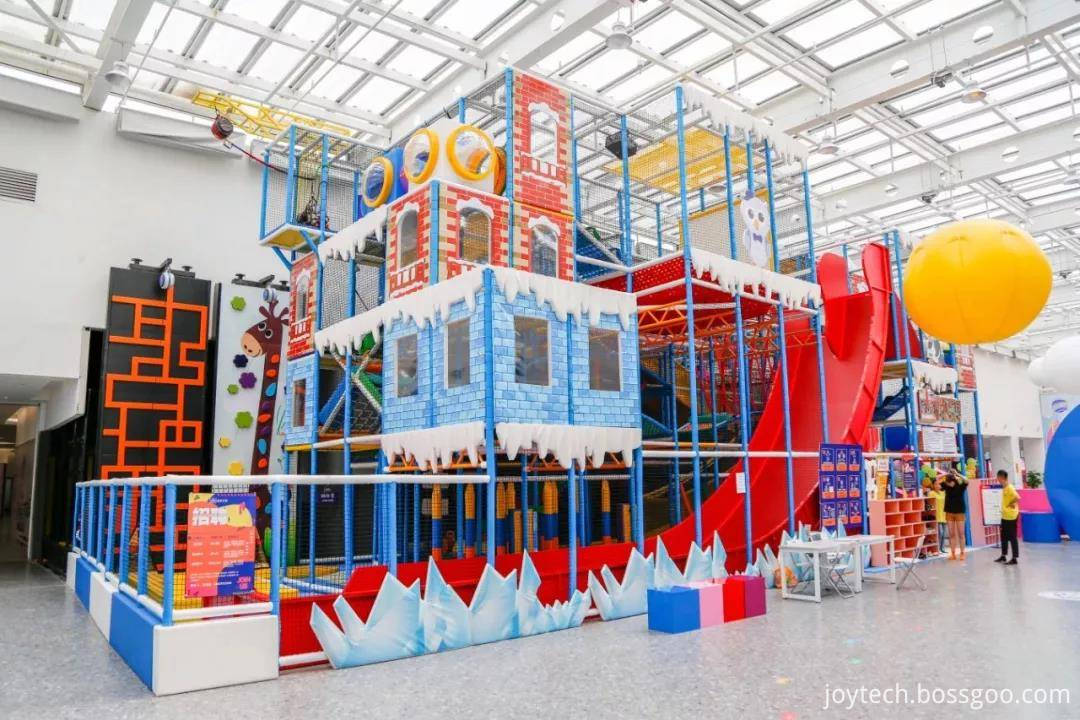
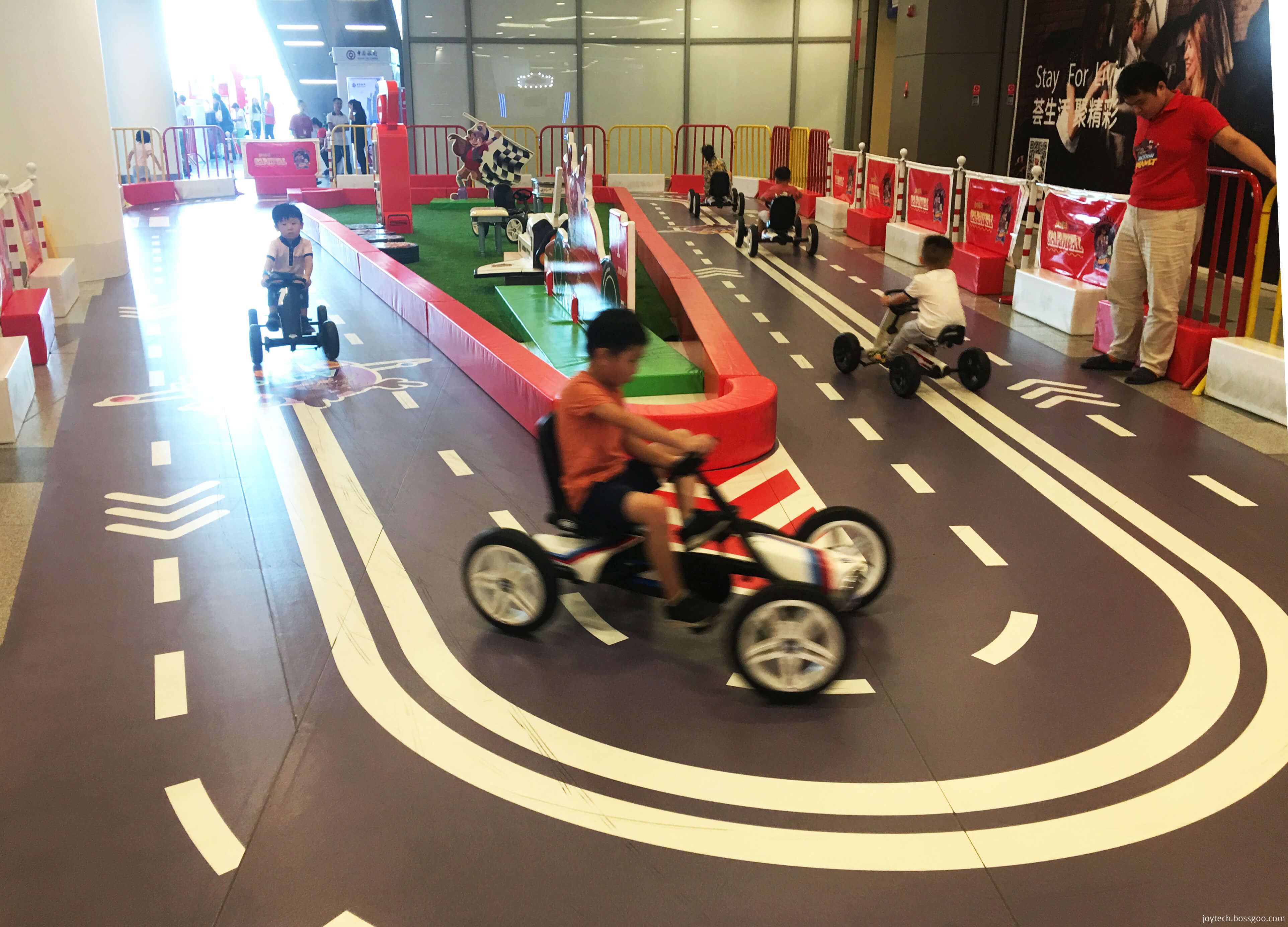
 Layout, customized production, installation and construction of amusement
equipment
Layout, customized production, installation and construction of amusement
equipment

